Ferrous Sulfate
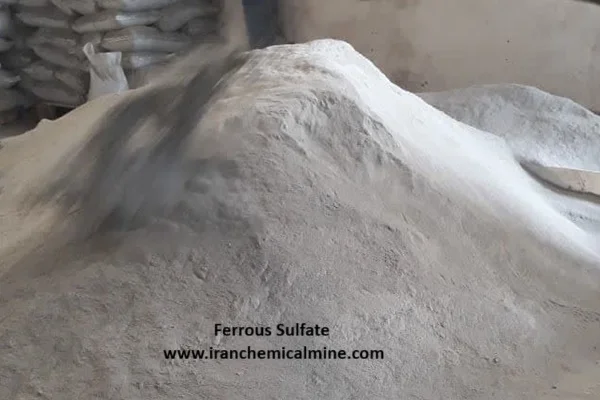
Ferrous sulfate, also known as Iron sulfate and green alum, is a blue-green salt of sulfuric acid. This substance, which is produced in powder or crystal form, has a wide range of uses in the industrial, service and agricultural sectors. One of the forms of iron that is often found in the foods we eat is ferrous sulfate. Iron in our bodies is bound to both myoglobin and hemoglobin. Oxygen is transported from the blood to tissues and organs through hemoglobin.
Muscle cells can store oxygen thanks to myoglobin. Iron deficiency anemia, or a low number of red blood cells due to iron deficiency in the body, is treated with it. Ferrous sulfate (II) is the true form of iron supplementation. One type of iron mineral is ferrous salts. They are often taken as supplements by people to address iron deficiency. It is a single form of the metallic element iron, also known as green vitriol or iron vitriol.
Production
Ferrous sulfate production is a raw material in the industrial process of sulfur production, and the reaction of intermediate iron ore with sulfur texture is one of the main processes for the production of this chemical compound. In this method, sulfur materials such as sulfuric acid are used to react with iron ore after extraction, and ferrous sulfate is produced by this process.
To achieve pure ferrous sulfate, all impurities and other unwanted particles are removed from the mixture after the reaction process, and then ferrous sulfate is available in both solid and soluble forms for purchase in the market. And it is used in water treatment, dyeing, agriculture and textile sectors and other industries, and it is an essential method in the chemical and mineral industries, which plays an important role in the manufacture of this sulfate and raw materials in various industries.
Ferrous Sulfate Types
There are different forms and variations in the composition and structure of ferrous sulfate. These different compounds of ferrous sulfate are used in different industries and applications based on different needs.
Ferrous sulfate (FeSO4):
This form consists of a sulfate group (SO4) and two iron atoms. It is also called iron (II) sulfate. It often appears as a blue or white liquid or solid. It is included in dietary supplements as a source of iron.
Ferrous sulfate (III):
This type of sulfate consists of a sulfate group (SO4) and an iron atom with an oxidation state of +3. This substance is used to improve water quality and purify it. Ammonium ferrous sulfate (NH4Fe(SO4)2): A molecule that has ammonium groups along with sulfate and iron (II). It is used in agriculture as a fertilizer.
FeSO4–MgSO4 (magnesium iron sulfate):
There are two salts of magnesium sulfate and iron sulfate in this substance. And the source of magnesium and iron in it is used for dietary supplements.
Ferrous sulfate heptahydrate, or marine ferrous sulfate:
is a form of this sulfate that has seven water molecules attached to the iron and sulfate group and is used as a fertilizer for acidic soils in agriculture. Ferrous sulfate heptahydrate, or marine ferrous sulfate The difference between ferrous sulfate (II) and ferrous sulfate (III) Ferrous sulfate (III) and ferrous sulfate (II) differ primarily in the way the iron ion is oxidized in these compounds.
The chemical and physical properties of these two molecules differ due to the difference in the location of the iron ion. For example, type (III) acts as an antioxidant and is used as a reaction catalyst in a variety of chemical processes, while type (II) acts as an oxidant and is used in dyeing and color change.
Ferrous sulfate (II):
Due to the oxidation of iron (II), this compound contains a twinned iron ion (Fe2+). – In this case, iron is oxidized and goes from +2 to +3. Iron (III) sulfate: Iron is in the +3 oxidation state and there is a triplet iron ion (Fe3+) in this compound. The iron in this compound is not oxidized. Rather, it is in the +3 oxidation state.
Applications
In Agriculture:
Plants and trees need minerals from the soil to create chlorophyll. Plants need chlorophyll, also known as the seed pigment, to color their leaves green so they can resist flies and pests and absorb the sun’s energy. To eliminate the harmful effects of iron deficiency in plants, use fertilizers rich in iron, which are easily absorbed by plants.
Importance of Ferrous Sulfate Fertilizer
It is an agricultural fertilizer and the Thiobacillus bacteria and sulfur it decomposes into are essential for plant growth and the treatment of iron deficiency. Many essential plant processes, including chlorophyll synthesis, which prevents plant yellowing and increases photosynthesis, are supported by the use of ferrous sulfate fertilizer as an agricultural micronutrient. In addition, cytochrome and other iron-containing enzymes are vital for plant respiration.
Fe+2, the optimal form of iron for plant absorption, is present in ferrous sulfate fertilizer. Iron fertilizer is essential for plants to remain green and for chlorophyll photosynthesis, which leads to flowering and increased yield. Yellowing and pallor of leaves is caused by iron deficiency. Young leaves show especially pronounced yellowing between the veins. The most common metal element in soil, which is found practically everywhere on Earth, is iron.
However, several elements prevent plants from reaching and absorbing this substance. The most important reason for the lack of access of plants to iron and other micronutrients is the calcareousness of agricultural soil. Inefficient agricultural practices, such as excessive irrigation and excessive fertilization, reduce soil respiration and increase the concentration of bicarbonate, which is harmful to plants.
Fertilizer with 2-valent iron sulfate Ferrous sulfate (II) crystals with the formula FeSO4 are green and somewhat blue. This substance is known as 7-hydrated iron sulfate because in its most stable state it contains seven water molecules. However, there are ways to dry this product to a single water, which turns it into ferrous sulfate fertilizer powder.
In Cement Production:
For construction workers, one of the problems of working with cement is the soluble chromate present in it, which can lead to skin diseases such as eczema and allergies. To protect human health and the environment, chromate must be safely neutralized. The most widely used, most available and least expensive chromate reducing agent in the cement industry, also known as ferrous sulfate.
Ferrous Sulfate Tablets:
Our bodies usually absorb iron through our diet. This element is a component of myoglobin, which is found in the blood and stores oxygen in the muscles, and hemoglobin, which carries oxygen to the body’s organs. Iron compounds are used to make various types of iron tablets. The mineral ferrous sulfate is used by the body to treat anemia, iron deficiency and several other diseases.
There are various causes of iron deficiency diseases. Red blood cell deficiency, thalassemia and porphyria – a rare hereditary disorder that causes problems with the skin and brain system, and tablets are also prescribed during pregnancy.
In Water purification:
The health of a society is greatly affected by the proper purification of drinking water. Human disease is caused by even small amounts of heavy metals, microbes, pathogens and toxic components found in drinking water. In addition, the treatment of industrial wastewater is very important because the release of harmful substances into the environment can endanger human health.
Hard water deposits accumulate in industrial equipment, boilers, pipes, and even in household water kettles, endangering human health. In order to harden water, ferrous sulfate is used in manufacturing industries from municipal treatment plants.
In dyeing:
Today, dyeing is done with a variety of chemicals. While ferrous sulfate has become less important in textile dyeing and ink production, ferrous sulfate is still used in these processes. To create green and blue colors, this substance can be used alone or in combination with other chemical and mineral compounds such as tannins.
In the photography industry:
One of the most useful materials for creating and processing ferrous sulfate images is and for this reason it is very vital for the photography business. In addition, the creation and stability of photographic images requires ferrous sulfate. This substance can help to present and permanently fix images on historical photographs, posters, and other visual arts.
In beverages:
One of the substances used as a foaming agent in the manufacture and processing of alcoholic beverages is ferrous sulfate. This chemical acts as a precipitating agent in these goods, which is its main purpose. Ferrous sulfate plays a significant role in the purification of alcoholic beverages by removing their color and aroma. In addition, it has the potential to act as an antioxidant and prevent unwanted oxidation of chemicals in alcoholic beverages. By using Iron sulfate as a foaming agent during the purification process, alcoholic beverages can be produced with higher quality, more stable and improved appearance.
Use of Iron sulfate in concrete staining:
In the construction trade, staining concrete with ferrous sulfate is a popular technique for changing the color and appearance of concrete surfaces. And on the surface of concrete, this reaction results in the production of lovely stripes and diverse colors. In addition, it has the ability to clean concrete surfaces by removing impurities and stains.
As a result, the use of ferrous sulphate stain on concrete surfaces is a decorative and restorative technique that enhances the architectural beauty of buildings. This technique is commonly used in interior design and construction projects as an easy and effective means of carving distinctive designs onto concrete surfaces.
Storage Conditions
For the best possible storage of ferrous sulfate (II) or ferrous sulfate (III), proper conditions must be observed.
Stay dry:
When exposed to moisture, it is easily oxidized and turns into iron (II) or (III) metal. Therefore, it must always be kept dry when storing this compound. It should be kept away from air and moisture and stored in a cool, dry place.
Cold storage:
Low to moderate temperatures are ideal for long-term storage of Iron sulfate. High temperatures have the potential to produce moisture and harmful gases, as well as lower the quality of the product.
Avoid mixing:
Chemicals other than ferrous sulfate should not be used with this material. It is best not to mix it with alkaline or oxidizing compounds.
Storage environment:
Use sealed, moisture-resistant containers, such as polyethylene bags or lined barrels, to store ferrous sulfate. In addition, accurate labeling on the container is required to indicate the type of iron (II) or (III) sulfate, as well as other important and relevant information on it.
Safety Precautions:
When using and storing, take precautions for your personal safety. Wear safety equipment such as gloves and safety glasses, and keep ferrous sulfate away from your skin and eyes.