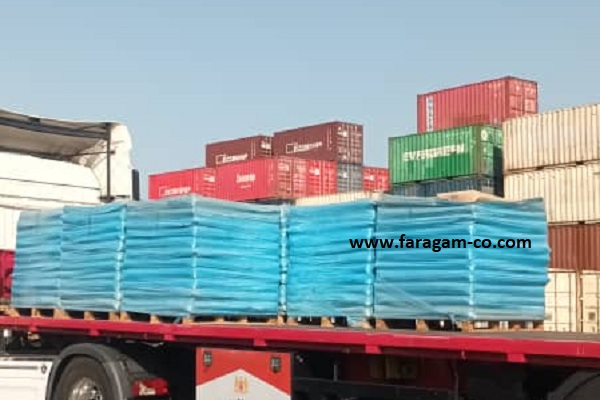
Oxidized Bitumen MSDS SDS
Oxidized Bitumen MSDS SDS is an important document for handling, storage and safety regulation about this type of bitumen. Blown Asphalt or Oxidized bitumen is making by blowing in raw material in a specific process at factory, so it has some special parameters for handling which are mentioned in MSDS.
To ensure safe use, storage, and transport, understanding the Material Safety Data Sheet (MSDS) or Safety Data Sheet (SDS) is critical for industries and workers handling this product.
In this article, we’ll provide a comprehensive overview of the Oxidized Bitumen MSDS SDS, including its composition, handling procedures, storage recommendations, hazards, and first aid measures.
🔬 1. Product Identification & Composition
Product Name: Oxidized Bitumen
Other Names: Blown Asphalt, Air-blown Bitumen, Oxidised Bitumen
CAS Number: 64742-93-4
Common Grades: 85/25, 90/40, 95/25, 115/15
Chemical Composition:
Oxidized bitumen is a mixture of high molecular weight hydrocarbons and varies depending on the grade. It contains:
- Polycyclic Aromatic Hydrocarbons (PAHs)
- Asphaltenes
- Saturates and aromatics
- Trace amounts of sulfur and metals
⚠️ 2. Hazards Identification
While oxidized bitumen is not classified as hazardous under many regulatory frameworks (e.g., GHS), certain physical and health hazards must be noted.
Physical Hazards:
- Flammability: Non-flammable in solid form but may emit combustible fumes at high temperatures (>200°C).
- Combustion Risk: Vapors from molten bitumen can be flammable.
- Slip Hazard: Spilled bitumen may solidify and become a slip risk.
Health Hazards:
- Inhalation: Fumes may cause respiratory irritation, headaches, nausea, and dizziness.
- Skin Contact: May cause burns when hot; long-term contact with solid form may lead to dermatitis.
- Eye Contact: Fumes or splashes of molten bitumen can severely damage eyes.
- Carcinogenicity: Long-term exposure to fumes may have carcinogenic effects, though studies are still ongoing.
🛡️ 3. Safe Handling Practices
Oxidized Bitumen MSDS SDS telling proper handling of this product is essential to ensure safety and compliance with occupational health standards.
- Wear protective gear: Heat-resistant gloves, safety goggles, long sleeves, and full-face protection.
- Ventilation: Ensure adequate ventilation when heating bitumen to prevent fume accumulation.
- Avoid water contact: Contact with water when hot may cause violent splattering.
- Use proper tools: Only use heat-resistant, non-sparking tools during handling.
🏢 4. Storage Recommendations
✅ Best Practices for Storage:
- Temperature control: Store in a cool, dry, and well-ventilated area.
- Avoid direct sunlight and sources of ignition.
- Packaging: Keep in sealed drums, kraft bags, or containers appropriate for your grade (e.g., 25 kg blocks or 180 kg drums).
- Labeling: Ensure all packages are properly labeled with product grade and safety signs.
⚠️ Incompatible Materials:
Avoid contact with strong oxidizers, acids, and bases. Do not store with combustible materials or chemicals that may react at high temperatures referring to the oxidized bitumen MSDS SDS
🆘 5. First Aid Measures
Inhalation:
- Move the person to fresh air immediately.
- Seek medical attention if symptoms persist.
Skin Contact (Hot Bitumen):
- Do NOT attempt to remove hardened bitumen.
- Cool the area with clean, cold water.
- Seek immediate medical assistance.
Eye Contact:
- Flush eyes with clean water for at least 15 minutes.
- Seek emergency medical attention.
Ingestion:
- Not expected to be a common route of exposure.
- Do not induce vomiting; seek medical help immediately.
🔥 6. Firefighting Measures
Although according to the oxidized bitumen MSDS SDS, it is not highly flammable, it can release toxic gases (e.g., carbon monoxide, sulfur oxides) when burning.
- Extinguishing media: Foam, dry chemical powder, or CO₂.
- Avoid water jets as they may spread molten material.
- Firefighters should wear full protective equipment and self-contained breathing apparatus (SCBA).
🚛 7. Transport Information
Oxidized bitumen is generally non-hazardous for transport under standard classification (e.g., UN, IMO, IATA), but always refer to local regulations.
- UN Number: Not regulated
- HS Code: Typically 27132000
- Packing Group: Not applicable
- Ensure that containers are sealed and secured during shipping to prevent leakage or exposure.
✅ 8. Environmental Precautions
In case of spill, contain the material and allow it to cool and solidify, then remove mechanically.
Bitumen is not biodegradable.
Prevent release into the environment, especially drains, waterways, and soil.
Oxidized bitumen 75/25, 85/25, 105/5, 110/10, 115/15 MSDS SDS are categorized in group I or group II (group one or group two) for sailing and shipping. So, cold delivery in normal packs is not dangerous.
According to the Oxidized Bitumen MSDS SDS, thid product should be storage in a cool and dry place, and prohibited to stock under direct sun light.
📄 In Breif
Understanding and adhering to the Oxidized Bitumen MSDS SDS is essential to protect human health and the environment. Whether you’re handling the product in industrial applications or transporting it across borders, following proper safety protocols ensures safe and compliant use.
If you are sourcing high-quality oxidized bitumen, IranChemicalMine.com offers premium grades like 85/25, 90/40, and 115/15 with full documentation including MSDS/SDS, COA, and technical data sheets.