
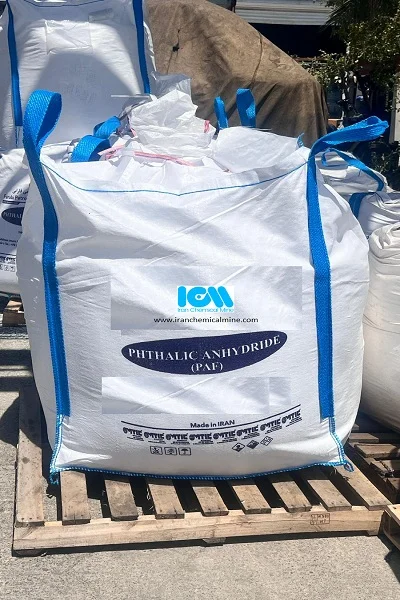
Phthalic Anhydride Application
Phthalic anhydride (C₆H₄(CO)₂O) is a white, crystalline organic compound derived from phthalic acid. It is one of the most important industrial chemicals, serving as a key intermediate in the production of a wide range of products. Phthalic anhydride or PHA has a pungent odor and is primarily produced through the catalytic oxidation of o-xylene or naphthalene.
Chemical and Physical Properties
• Molecular formula: C₈H₄O₃
• Molar mass: 148.12 g/mol
• Appearance: White solid or flakes
• Melting point: ~131°C
• Boiling point: ~295°C (sublimes)
Production
The primary industrial method for producing phthalic anhydride involves the catalytic oxidation of o-xylene or, less commonly, naphthalene. The reaction typically uses vanadium pentoxide (V₂O₅) as a catalyst and occurs in the gas phase.
Phthalic Anhydride Application
1. Plasticizers:
• The largest use of phthalic anhydride is in the manufacture of phthalate esters, particularly di(2-ethylhexyl) phthalate (DEHP).
• These esters are widely used as plasticizers to increase the flexibility and durability of polyvinyl chloride (PVC) and other plastics.
2. Alkyd Resins:
• Phthalic anhydride application in the production of alkyd resins, which are used in paints, varnishes, and coatings.
• These resins provide excellent adhesion, gloss, and weather resistance.
3. Unsaturated Polyester Resins (UPRs):
• It is also used in the production of unsaturated polyester resins, which are reinforced with glass fibers to produce fiberglass-reinforced plastics (FRPs).
• These composites are used in automotive parts, construction materials, and marine applications.
4. Dyes and Pigments:
• Phthalic anhydride application to manufacture several important dyes and pigments, including phthalocyanine blue and green.
• These pigments are known for their high stability and vivid color.
5. Pharmaceuticals and Agrochemicals:
• Though less common, phthalic anhydride is also a precursor in the synthesis of some pharmaceutical compounds and agrochemicals.
6. Flame Retardants:
• Certain flame retardant compounds are synthesized using phthalic anhydride, particularly those used in thermoplastics and textiles.
Health and Safety
Phthalic anhydride can cause irritation to the eyes, skin, and respiratory tract. Prolonged exposure can lead to allergic reactions or sensitization in some individuals. Proper handling, ventilation, and personal protective equipment (PPE) are essential when working with this chemical.
Phthalic anhydride remains a cornerstone of industrial organic chemistry due to its versatility and economic importance. Phthalic Anhydride application in producing plasticizers, resins, and pigments ensures its continued relevance across multiple sectors, including construction, automotive, and consumer goods.






Leave a Reply