Ball Clay
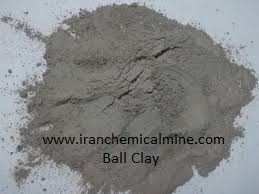
Ball Clay, an extremely rare mineral that is found in a few places in the world and is the second most important plastic material in the ceramic industry after kaolin. It is easily molded and after baking at high temperature, Ball Clay turns white or close to white, and therefore it can be rightly called one of the useful threads in the ceramic industry. It is a type of sedimentary rock that contains kaolinite and a small amount of illite, chlorite and montmorionite. Found with most organic compounds. This product sometimes found with coal seams. It is used in sanitary ceramics, electric porcelain, all kinds of tiles, tableware, handicrafts and refractories.
Ball Clay Applications
Ball Clay is used in various industries, but is a vital component in the manufacture of ceramics in particular. Kaolin (Chinese clay) produces a very white color when ignited, but if used alone It is brittle and weak and must be mixed thoroughly with soil to produce a usable and flexible raw material. Raw products have a wide range of colors due to their sedimentary origin.
However, many of them are valued by the ceramic industry because of the white color determined by the level of iron and other color / lubricating oxides in the soil. Using Sanitary equipment Ceramic bodies for sanitary ware typically contain 30% for flexibility. In wall and floor tiles, used for their plasticity and bonding properties. It is applying refractory clay in refractory products such as furnace insulation and furniture. Also using building ceramics Building materials such as bricks, clay pipes and roof tiles all contain industrial clay.
Packing
Ball Clay, producing in powder and fine grain types. We are packing Ball Clay in 25 kg sacks and 1 ton jumbo bag, based on customer inquiry.
Technical Specification
L.O.I: 6.36 ,AL2O3: 22.76 ,MgO: 0.49 ,CaO: 0.09 ,Fe2O3: 0.65 ,TiO: 2 0.79 ,SiO2: 63.30 ,Na2O: 0.53
K2O 4.36 ,SO 3 0.57 ,P2O 5 0.06
Fineness Residue on a 45µm sieve : 3% ma