Petroleum Jelly (Vaseline) Grades, Applications, Uses in Africa and Global Export Markets
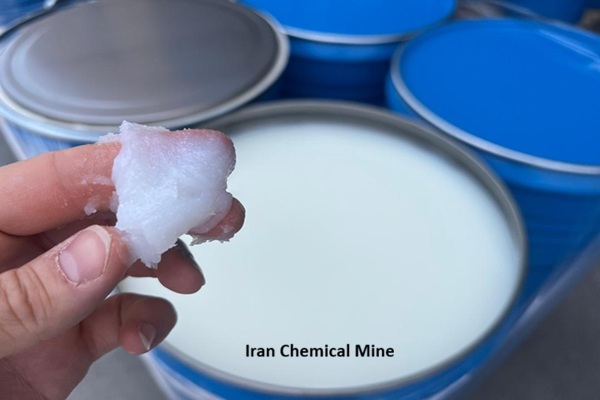
Petroleum jelly, also known as petrolatum, is a semi-solid mixture of highly refined saturated hydrocarbons derived from petroleum. It is one of the most widely used raw materials in the cosmetic, personal care, pharmaceutical and selected industrial sectors.
The product is commonly known by the commercial name Vaseline, although Vaseline is a brand name rather than the generic name for petroleum jelly.
Petroleum jelly is particularly important in many African markets because it is used in everyday skin care, hair care, baby-care products, cosmetics, pharmaceutical preparations and locally manufactured personal-care products.
International trade data demonstrates substantial demand. Under HS Code 271210, Nigeria alone imported approximately 39.67 million kg of petroleum jelly in 2024, with an import value of approximately US$55.36 million. Côte d’Ivoire imported approximately 13.12 million kg, while other significant African importers included Togo, Zimbabwe, Namibia, South Africa and Kenya.
For manufacturers, distributors and importers looking for consistent-quality petroleum jelly, Iran Chemical Mine can supply petroleum jelly in bulk and export-oriented packaging according to the required grade and application.
What Is Petroleum Jelly?
Petroleum jelly, or petrolatum, is a purified semi-solid hydrocarbon material consisting predominantly of saturated hydrocarbons.
According to the United States Pharmacopeia/Food Chemicals Codex description, petrolatum can range from white to yellow or light amber and consists mainly of paraffinic saturated hydrocarbons.
Its combination of:
- water-repellent properties
- skin-protective characteristics
- high stability
- low volatility
- smooth texture
- relatively high melting/congealing temperature
- compatibility with many cosmetic formulations
makes petroleum jelly valuable in a wide variety of applications.
Petroleum Jelly vs. Vaseline
One important point for international buyers is the difference between petroleum jelly and Vaseline.
Petroleum jelly is the generic product name, while Vaseline is a well-known commercial brand.
Therefore, manufacturers and bulk buyers normally specify the material according to its grade, purity, color, viscosity, congealing point, oil content and applicable specification, rather than simply requesting “Vaseline.”
For B2B purchasing, terms such as:
- White Petroleum Jelly
- White Petrolatum
- Cosmetic Grade Petroleum Jelly
- Pharmaceutical Grade Petroleum Jelly
- USP Petrolatum
- BP Petrolatum
- Technical/Industrial Petroleum Jelly
are more useful for identifying the required raw material.
Main Grades of Petroleum Jelly
The appropriate grade depends primarily on the final application and regulatory requirements.
Cosmetic Grade Petroleum Jelly
Cosmetic-grade petroleum jelly is widely used as a raw material for:
- skin creams
- body creams
- moisturizing products
- lip balms
- hair-care products
- hair pomades
- foot creams
- hand creams
- body-care products
- massage formulations
- protective skin products
White and highly purified grades are generally preferred where appearance, odor and purity are important.
The cosmetic and personal-care industry is particularly relevant in Africa, where petroleum jelly is incorporated into both locally manufactured products and consumer-ready products.
Pharmaceutical Grade Petroleum Jelly
Pharmaceutical-grade petroleum jelly is manufactured to more stringent specifications than ordinary industrial grades.
Depending on the intended market, buyers may require compliance with standards such as:
- USP
- BP
- Ph. Eur.
- other applicable pharmacopoeial specifications
Pharmaceutical applications can include:
- ointment bases
- topical preparations
- protective skin formulations
- pharmaceutical creams
- certain wound-care products
- medical and healthcare formulations
Pharmaceutical buyers normally require detailed technical documentation, including Certificate of Analysis (COA) and appropriate quality/regulatory documentation.
White Petroleum Jelly
White petroleum jelly is a highly refined, light-colored grade commonly used in:
- cosmetics
- personal care
- pharmaceutical formulations
- skin-care products
- baby-care products
- lip-care products
The lighter color and low odor are particularly important for consumer products.
Snow White and High-Purity Grades
Some manufacturers and distributors use commercial classifications such as:
- White
- Snow White
- Super Snow White
- Extra White
These terms are not universal international standards, so buyers should always request a technical specification rather than purchasing solely according to a commercial grade name.
The required parameters may include color, congealing point, viscosity, penetration, oil content, odor and applicable pharmacopoeial compliance.
Industrial Grade Petroleum Jelly
Industrial petroleum jelly is generally selected for applications where pharmaceutical or cosmetic purity is not required.
Possible applications include:
- lubrication
- corrosion protection
- cable manufacturing
- rubber-related applications
- textile processing
- technical formulations
- protective coatings
- selected industrial maintenance applications
The required specification depends strongly on the end use.
Main Applications of Petroleum Jelly
Petroleum jelly has a remarkably broad range of applications.
1. Skin Care
One of the largest applications is personal skin care.
Petroleum jelly can be used as:
- a skin-protective ingredient
- an occlusive moisturizing component
- a base for creams
- a component in body-care formulations
- a protective material for dry skin
This application is especially important in regions where inexpensive and versatile skin-care products have strong consumer demand.
2. Hair Care
Petroleum jelly is also used in:
- hair pomades
- hair-conditioning products
- scalp-care formulations
- styling products
- hair creams
African hair-care markets are particularly important for manufacturers of petroleum-jelly-based hair and beauty products.
3. Baby Care
Highly purified petroleum jelly can be incorporated into baby-care products such as:
- protective creams
- diaper-area products
- baby skin-care formulations
- moisturizing products
For these applications, buyers generally place greater emphasis on purity, odor, color and regulatory compliance.
4. Pharmaceutical Applications
Pharmaceutical petroleum jelly can serve as a base or component in topical formulations.
Pharmaceutical manufacturers may purchase the product in bulk and subsequently formulate, fill and package it under their own brands.
5. Cosmetics
Cosmetic manufacturers use petroleum jelly in products such as:
- lip balms
- body creams
- hand creams
- foot creams
- moisturizing products
- beauty products
- protective creams
6. Industrial Applications
Industrial petroleum jelly can be used in selected technical applications, including lubrication and protective functions.
The exact grade should be selected according to the technical requirements of the application.
Petroleum Jelly in Africa
Africa is an important market for petroleum jelly, particularly because of its use in personal care, cosmetics, hair care, pharmaceutical products and consumer goods.
Current trade statistics show particularly significant import activity in several African countries.
In 2024, Nigeria was by far the largest petroleum-jelly importer listed in the World Bank WITS data, with imports of approximately 39.67 million kg. Côte d’Ivoire imported approximately 13.12 million kg, while Togo imported approximately 2.15 million kg. Zimbabwe, Namibia, South Africa and Kenya were also recorded as import markets.
A 2026 African market analysis identifies South Africa, Nigeria and Kenya among the major country markets examined for petroleum jelly, with grades including USP and technical grades and end uses including pharmaceuticals, cosmetics and personal care.
Petroleum Jelly in Nigeria
Nigeria is one of the most significant petroleum jelly markets in Africa.
In 2024, Nigeria imported:
39,671,500 kg
of petroleum jelly, valued at approximately:
US$55.36 million.
The main suppliers to Nigeria in 2024 included:
| Supplier Country | Approx. Quantity | Approx. Import Value |
|---|---|---|
| India | 15.70 million kg | US$23.04 million |
| UAE | 13.25 million kg | US$16.54 million |
| Germany | 6.68 million kg | US$10.14 million |
| Turkey | 3.65 million kg | US$4.93 million |
| South Africa | 0.18 million kg | US$0.36 million |
Nigeria’s petroleum jelly market includes both consumer products and industrial/B2B demand.
A 2026 consumer study reported 161 petroleum jelly SKUs across 61 brands in its Nigerian shopper sample, with 25 cl cup/pot packaging identified as the most common pack size and Vaseline as the most scanned brand in that dataset.
Main Nigerian Customers
Potential B2B customers include:
- cosmetic manufacturers
- personal-care manufacturers
- pharmaceutical companies
- hair-care product manufacturers
- private-label manufacturers
- distributors
- wholesalers
- FMCG importers
- retail-packaging companies
Petroleum Jelly in Kenya
Kenya is another important East African market.
In 2024, Kenya imported approximately 360,438 kg of petroleum jelly under HS 271210, with an import value of approximately US$618,600.
Typical applications include:
- skin care
- baby care
- hair care
- cosmetics
- personal-care products
- selected industrial applications
Kenyan buyers may purchase petroleum jelly either as a finished consumer product or as a bulk raw material for local manufacturing and repackaging.
Petroleum Jelly in Tanzania
Tanzania represents an interesting East African market for petroleum jelly because of its position as a commercial and logistics hub for East Africa.
Petroleum jelly can be marketed to:
- cosmetic manufacturers
- pharmaceutical manufacturers
- distributors
- wholesalers
- beauty-product manufacturers
- personal-care companies
- importers
- retailers
For exporters, Dar es Salaam can also provide a logistical gateway to neighboring markets such as Zambia, Malawi, Rwanda, Burundi and parts of the Democratic Republic of Congo.
Historical trade analysis has identified petroleum jelly as part of the mineral-wax/petroleum-jelly import mix in the Tanzania/Uganda region, while Iran has appeared among relevant supply sources in historical trade data.
Petroleum Jelly in South Africa
South Africa has a developed personal-care and cosmetics sector and represents another important African market.
In 2024, South Africa imported approximately:
1.08 million kg
of petroleum jelly with a value of approximately:
US$2.02 million.
Potential applications include:
- cosmetics
- skin care
- pharmaceutical products
- personal care
- hair care
- industrial applications
Recent consumer research across Kenya, Nigeria and South Africa also shows significant consumer purchasing of skincare and other personal-care products, providing broader context for the regional personal-care market.
Petroleum Jelly in Côte d’Ivoire
Côte d’Ivoire is particularly notable in African petroleum jelly trade.
In 2024, it imported approximately:
13.12 million kg
of petroleum jelly, valued at approximately:
US$20.14 million.
The country can therefore be considered an important West African market for petroleum jelly exporters.
Potential customers include:
- cosmetics manufacturers
- personal-care companies
- pharmaceutical manufacturers
- importers
- wholesalers
- private-label companies
Comparison of Major African Petroleum Jelly Markets
| Country | 2024 Imports | Approx. Value | Main Opportunity |
|---|---|---|---|
| Nigeria | 39.67 million kg | US$55.36 M | Cosmetics, personal care, hair care, pharmaceuticals |
| Côte d’Ivoire | 13.12 million kg | US$20.14 M | Cosmetics, personal care, distribution |
| Togo | 2.15 million kg | US$3.14 M | Import/distribution, consumer products |
| Zimbabwe | 1.32 million kg | US$2.49 M | Personal care, cosmetics |
| South Africa | 1.08 million kg | US$2.02 M | Cosmetics, pharmaceutical, personal care |
| Namibia | 0.84 million kg | US$2.29 M | Distribution and consumer products |
| Kenya | 0.36 million kg | US$0.62 M | Skin care, personal care, manufacturing |
Source: World Bank WITS/UN Comtrade, HS 271210, 2024.
Important: Import volume should not be interpreted by itself as total domestic consumption. Trade figures can include raw-material imports, re-exports and different commercial supply chains.
Petroleum Jelly Grades Comparison
| Grade | Typical Applications | Purity Requirement | Typical Customers |
|---|---|---|---|
| Industrial Grade | Lubrication, technical applications | Standard industrial specification | Industrial companies |
| Cosmetic Grade | Skin care, creams, hair care, lip products | High purity and suitable appearance | Cosmetic manufacturers |
| White Petroleum Jelly | Cosmetics, personal care | High refinement | Cosmetic manufacturers & distributors |
| Snow White Grade | Premium cosmetics & personal care | Very high visual purity | Beauty-product manufacturers |
| Pharmaceutical Grade | Ointments, topical formulations | Strict specification | Pharmaceutical manufacturers |
| USP Grade | Pharmaceutical/healthcare applications | USP compliance where applicable | Pharmaceutical companies |
| BP Grade | Pharmaceutical applications in markets requiring BP | BP compliance where applicable | Pharmaceutical manufacturers |
The exact specification should always be agreed between supplier and buyer. Commercial terms such as “Snow White” are not substitutes for a recognized specification or a detailed technical data sheet.
Bulk and Retail Packaging of Petroleum Jelly
Petroleum jelly can be supplied in different packaging formats depending on whether the customer is a manufacturer, distributor, wholesaler or final consumer.
Bulk Packaging
Common B2B packaging options include:
| Packaging | Typical Customer |
|---|---|
| 25 kg carton | Cosmetic & pharmaceutical manufacturers |
| 25 kg plastic/HDPE container | Manufacturers and distributors |
| 50 kg drum | Industrial customers |
| 170–180 kg drum | Large industrial/manufacturing customers |
| 200 kg drum | Large-volume industrial buyers |
| Jumbo packaging | Large-scale industrial buyers |
| Customized bulk packing | Contract/private-label customers |
Actual packaging weight should be confirmed according to the supplier’s product specification and buyer requirements.
Retail Packaging
For consumer markets, petroleum jelly can be filled into:
- 25 g jars
- 50 g jars
- 100 g jars
- 125 g jars
- 200 g jars
- 250 g jars
- 500 g jars
- 1 kg containers
Packaging varies significantly according to country, brand positioning and distribution channel.
In Nigeria, a 2026 consumer study found 25 cl cup/pot packaging to be the most common format in its analyzed petroleum-jelly category.
Who Buys Petroleum Jelly?
For an exporter, identifying the right customer is more important than simply identifying a country.
Cosmetic Manufacturers
They typically require:
- cosmetic-grade material
- consistent color
- low odor
- stable quality
- technical data sheet
- COA
- bulk packaging
Pharmaceutical Manufacturers
These customers generally require:
- pharmaceutical-grade material
- defined pharmacopoeial compliance
- batch traceability
- COA
- MSDS/SDS
- regulatory documentation
- consistent physical and chemical parameters
Cosmetic Raw-Material Distributors
Distributors purchase bulk petroleum jelly and resell it to smaller manufacturers.
This model can be particularly useful in African markets where one importer can supply many downstream cosmetic and personal-care manufacturers.
Private-Label Companies
A private-label company can purchase bulk petroleum jelly and sell the finished product under its own brand.
This creates two possible export models:
Bulk raw material → local filling and branding
or
Finished retail petroleum jelly → importer/distributor → retailers
Bulk Petroleum Jelly vs. Retail Petroleum Jelly
| Factor | Bulk Petroleum Jelly | Retail Petroleum Jelly |
|---|---|---|
| Main customer | Manufacturer/importer | Consumer |
| Packaging | 25–200 kg+ | 25 g–1 kg |
| Branding | Usually supplier-neutral | Brand required |
| Price/kg | Generally lower | Higher |
| Documentation | TDS, COA, SDS | Consumer label + regulatory information |
| Logistics | Container/pallet | Cartons |
| Main opportunity | B2B | FMCG |
| Minimum order | Usually higher | Lower |
| Customization | Grade & packaging | Brand, label, fragrance, size |
For Iran Chemical Mine, the B2B bulk model is particularly relevant because it allows the company to supply manufacturers, distributors and importers rather than competing directly with established consumer brands.
Why Petroleum Jelly Is Important in African Markets
Several factors support petroleum jelly demand across African markets:
1. Versatile applications
One raw material can be used in skin care, hair care, cosmetics and pharmaceutical formulations.
2. Affordable personal care
Petroleum jelly can be incorporated into relatively simple and cost-effective consumer formulations.
3. Strong cosmetics and beauty sectors
Nigeria, Ghana, Kenya, South Africa, Côte d’Ivoire and other African markets have significant beauty and personal-care industries.
4. Local manufacturing
Importers can purchase petroleum jelly in bulk and manufacture or package finished products locally.
5. Distribution opportunities
A large importer or distributor can supply multiple downstream cosmetic and pharmaceutical manufacturers.
How to Select the Right Petroleum Jelly Grade
Before purchasing petroleum jelly, buyers should specify:
- Application
- Required grade
- Color
- Congealing point
- Viscosity
- Penetration
- Oil content
- Odor
- Purity requirements
- USP/BP/Ph. Eur. requirement, if applicable
- Packaging
- Required quantity
- Destination country
- COA and technical documentation
For pharmaceutical and sensitive cosmetic applications, the buyer should not rely only on the commercial name “Vaseline” or “White Petroleum Jelly.” A complete technical specification should be agreed before shipment.
Petroleum Jelly Export from Iran
Iran has an established petroleum and petrochemical raw-material industry, creating opportunities for the export of petroleum-derived products to international markets.
For African buyers, Iranian petroleum jelly can be considered for markets where competitive bulk supply, suitable specifications and reliable logistics are important.
Potential destinations include:
- Nigeria
- Kenya
- Tanzania
- Ghana
- Côte d’Ivoire
- Uganda
- Rwanda
- Cameroon
- Mozambique
- South Africa
- Zimbabwe
- Zambia
- Malawi
- Togo
- Senegal
- Ethiopia
The appropriate market should be selected according to product specification, import regulations, freight costs, payment terms and required documentation, rather than simply geographic proximity.
Iran Chemical Mine – Petroleum Jelly Supplier and Exporter
Iran Chemical Mine supplies and exports chemical and mineral raw materials for international B2B customers.
For petroleum jelly buyers, the company can provide supply solutions according to:
- required grade
- application
- packaging
- order volume
- destination
- technical specifications
- export requirements
Potential customers include:
- cosmetic manufacturers
- pharmaceutical companies
- personal-care manufacturers
- petroleum-jelly distributors
- chemical importers
- wholesalers
- private-label manufacturers
- industrial customers
For large-volume buyers, petroleum jelly can be supplied in bulk export packaging, while specifications and documentation can be coordinated according to the buyer’s application.
Iran Chemical Mine aims to provide consistent-quality petroleum jelly and dependable international supply for customers in Africa, the Middle East, Asia and other global markets.
Petroleum Jelly for African Importers
African importers looking for petroleum jelly should consider purchasing according to the intended downstream market.
For example:
| Customer Type | Recommended Focus |
|---|---|
| Cosmetic factory | Cosmetic/white high-purity grade |
| Pharmaceutical factory | USP/BP or required pharmacopoeial grade |
| Hair-care manufacturer | Cosmetic grade |
| Distributor | Multiple grades and packaging |
| Industrial customer | Technical/industrial grade |
| Private-label company | Retail-ready filling/packaging |
| Wholesaler | 25 kg and larger bulk packs |
This approach can reduce the risk of purchasing a grade that is unsuitable for the customer’s final application.
Petroleum Jelly Market Outlook
Petroleum jelly remains an important raw material in the global personal-care and pharmaceutical supply chain.
Recent trade data shows particularly strong African import activity, with Nigeria and Côte d’Ivoire standing out in 2024 import statistics, while Kenya, South Africa, Togo, Zimbabwe and Namibia also appear among African import markets.
Nigeria’s 2024 import data also demonstrates the competitive nature of the supply chain, with significant quantities supplied by India, the UAE, Germany and Turkey.
For exporters, this means that success depends not only on price but also on:
- consistent quality
- reliable supply
- appropriate grade
- technical documentation
- competitive freight
- suitable packaging
- payment terms
- customer service
- ability to supply repeat orders
Frequently Asked Questions About Petroleum Jelly
What is petroleum jelly?
Petroleum jelly, also called petrolatum, is a semi-solid mixture of purified saturated hydrocarbons derived from petroleum.
Is Vaseline the same as petroleum jelly?
Vaseline is a well-known brand name for petroleum jelly. Petroleum jelly or petrolatum is the generic product description.
What is petroleum jelly used for?
It is used in cosmetics, skin care, hair care, baby-care products, pharmaceutical preparations and selected industrial applications.
Which petroleum jelly grade is used in cosmetics?
Cosmetic-grade or highly refined white petroleum jelly is commonly used in cosmetic and personal-care formulations.
What grade is used by pharmaceutical companies?
Pharmaceutical manufacturers may require USP, BP, Ph. Eur. or another applicable pharmacopoeial specification depending on the destination market and intended application.
Which African country imports the most petroleum jelly?
According to 2024 World Bank WITS/UN Comtrade data for HS 271210, Nigeria was the largest importer among the listed countries, importing approximately 39.67 million kg.
Can petroleum jelly be exported in bulk?
Yes. B2B petroleum jelly can be supplied in bulk packaging such as cartons, drums and larger industrial containers, depending on the grade and supplier’s packing configuration.
Can Iran Chemical Mine supply petroleum jelly to Africa?
Iran Chemical Mine can offer petroleum jelly for international B2B supply, with grade, packaging, documentation and logistics arranged according to the buyer’s requirements.
Conclusion
Petroleum jelly (petrolatum) is a versatile raw material with applications extending from cosmetics and skin care to pharmaceuticals and industrial products.
Africa represents an important market, with substantial import activity particularly visible in Nigeria and Côte d’Ivoire, alongside markets such as South Africa, Kenya, Togo, Zimbabwe and Namibia.
For African importers and manufacturers, selecting the correct grade, purity, packaging and documentation is essential. Bulk petroleum jelly provides opportunities for cosmetic manufacturers, pharmaceutical companies, distributors, wholesalers and private-label businesses.
Iran Chemical Mine can serve as a reliable B2B source for petroleum jelly and other chemical and mineral raw materials, offering export-oriented supply solutions for customers seeking consistent quality and dependable international delivery.
Contact Iran Chemical Mine for petroleum jelly specifications, COA, bulk packing options, MOQ and export quotation.