

PAC for water treatment
PAC for water treatment using has some benefits in comparison with other chemicals. Poly aluminum chloride, which is known in the market under the trade name PAC Powder Pack, Poly aluminum Hydrate, and is the result of the reaction between two materials aluminum and hydrochloric acid.
Poly aluminum chloride is one of the main inorganic polymer coagulants, the chemical formula of poly aluminum chloride is AL2 (OH) n CL6. In surface waters, there are various types of suspended and colloidal particles that cause turbidity and turbidity of water and also bad odor of water, which must be removed from water treatment plants by using coagulants.
One of the newest and most widely used coagulants is poly aluminum chloride or PAC, the general range of performance is between PH5 and 9 and its best performance is at PH 6.5 to 6.7. Using PAC has a number of advantages over traditional water treatment materials. Below, we will discuss the benefits of using PAC for water treatment over other traditional materials such as chlorine, aluminum sulfate, and ferric chloride.
PAC for water treatment history
Aluminum-based coagulants were introduced to the global market in the 1990s as an alternative to aluminum sulfate and materials such as Ferric Chloride. These materials, known as poly aluminum chloride, are based on heavy mineral polymers and are imported and distributed in powder form from the markets of China, Germany, Canada, the United States, Japan, and European countries by trading companies importing water treatment materials.
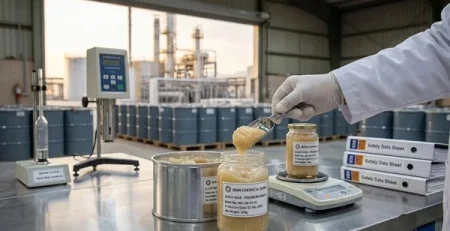
Water treatment material manufacturers later produced a liquid form, but it did not work as effectively as the powder. Although the liquid form is also available on the market, the powder form is more popular due to its ease of transportation, packaging, and storage. Poly aluminum chloride is generally offered to the market in three grades: industrial (wastewater), drinking (PAC for water treatment) and pharmaceutical, which are used in different industries according to the degree of purity and efficiency according to the opinions of respected customers.
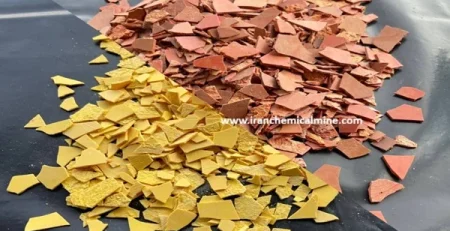
For example, the industrial grade has a purity of 28%, the drinking grade has a purity of 30%, and the pharmaceutical type is white with a purity of 33% and is used in 25 kg packages. The color of poly aluminum chloride varies from dark yellow for industrial grade, light yellow for drinking type, and milky white for pharmaceutical grade.
Advantages of Poly aluminum Chloride (PAC)
The advantages of using PAC instead of materials such as aluminum sulfate and chlorine are the higher color removal rate and the lack of corrosion compared to these materials. Chloroferric corrosion. Chlorine itself is one of the harmful and destructive factors in the treatment of industrial wastewater, which makes the water toxic, but the use of PAC not only does not pose a risk to the water, but also helps to improve water purification.
Another advantage that makes the use of PAC for water treatment is that poly aluminum chloride hydrates in water and reduces the pH to a lesser extent compared to aluminum sulfate and ferric chloride, and the pH of the water decreases to a lesser extent.
This lack of pH reduction has advantages such as the following: No sudden change in the chemical structure and texture of the water No need for water pH regulating additives such as lime Protecting downstream equipment and devices against pH reduction Changes and sharp drops in water pH are very important issues, and the use of PAC for water treatment gives the consumer the assurance that the pH of the water does not have any special changes and the limit of the pH change is ultimately variable within a reasonable range between 6 and 8.
PAC for water treatment use, due to its exothermic properties and high solubility in water, has made it possible to use PAC for water treatment at low temperatures, and in industrial wastewater where the water is at normal or colder temperatures, the use of poly aluminum chloride provides the desired result.
A much more important advantage that gives the use of PAC preference over other water treatment materials is the amount of remaining soluble ions in water resulting from treatment with PAC, which is much less than when aluminum sulfate and ferric chloride are used. Also, reducing the volume of sludge produced and facilitating sludge de-watering are advantages of using PAC.
In the experiments conducted, the use of poly aluminum chloride has caused faster sedimentation of suspended particles in water. The use of coagulants in water purification causes aluminum to remain in the water, which if exceeded, can harm human health. The use of PAC leaves a smaller amount of aluminum in the water than other coagulants.






Leave a Reply