Poly Aluminum Chloride (PAC): Essential Coagulant for Water Treatment and Industrial Applications
Poly Aluminum Chloride (PAC) has become a key chemical in modern water treatment and various industrial processes, due to its exceptional coagulation and flocculation properties. This versatile coagulant is essential for improving the efficiency of water purification, wastewater treatment, and other critical processes across industries. In this article, we’ll explore what Poly Aluminum Chloride is, its types, properties, applications, and why it’s in growing demand worldwide.
What Is Poly Aluminum Chloride (PAC)?
Poly Aluminum Chloride, commonly known as PAC, is a chemical compound primarily used as a coagulant in water treatment. Chemically, PAC is a polymeric form of aluminum chloride with a basicity between 30-80%, depending on the specific grade. It is used in a variety of industries to remove impurities from water, making it a vital tool for ensuring clean and safe water supplies.
Chemical Definition and Composition
PAC is synthesized by polymerizing aluminum chloride (AlCl₃) in an aqueous solution. Its polymer structure allows it to form highly effective flocs that trap contaminants, facilitating their removal from water. The basicity and chemical structure of PAC make it more efficient than traditional coagulants like aluminum sulfate, particularly in cold water treatment.
PAC vs. Traditional Coagulants
Unlike traditional coagulants, PAC operates effectively at lower dosages and provides faster flocculation, reducing sludge production. Its high solubility and efficiency in a wide pH range make it suitable for various water qualities and temperatures.
Types and Grades of PAC
Poly Aluminum Chloride comes in different forms and grades, each suited for specific applications. The key variations include:
PAC Liquid vs PAC Powder
- PAC Liquid: Typically used in large-scale water treatment plants due to ease of application and effective coagulation in high-flow systems.
- PAC Powder: Ideal for smaller operations or where precise dosage control is required. It needs to be dissolved in water before use.
Low Basicity vs High Basicity PAC
- Low Basicity PAC: Has a basicity of 30-50% and is often used in treating industrial effluents, where high efficiency is required for lower-quality water.
- High Basicity PAC: With a basicity of 70-80%, it is preferred for drinking water treatment, as it is highly efficient at removing organic contaminants.
Industrial Grade vs Drinking Water Grade
- Industrial Grade: Used in wastewater treatment, paper, and textile industries.
- Drinking Water Grade: Adheres to stricter standards and is designed for potable water treatment, ensuring safety and quality compliance.
Key Properties and Technical Specifications
Poly Aluminum Chloride offers a range of properties that contribute to its effectiveness in various applications:
- Appearance: Typically a yellowish to light brown solid (for powder) or a transparent to light yellow solution (for liquid).
- Al₂O₃ Content: The aluminum oxide content in PAC typically ranges from 10% to 18%, depending on the grade.
- Basicity: Ranges from 30% to 80%, influencing its coagulation efficiency and pH tolerance.
- pH Range: PAC is effective in a pH range of 4.5 to 6.0, which makes it suitable for a variety of water qualities.
- Solubility: High solubility in water ensures quick and effective application.
- Shelf Life and Storage: PAC has a long shelf life when stored in dry, cool conditions, though it should be protected from moisture and direct sunlight.
Main Applications of Poly Aluminum Chloride
PAC is used in a variety of industries due to its superior coagulating properties. The most prominent applications include:
Drinking Water Treatment
PAC is extensively used in the purification of drinking water, where its high efficiency removes impurities, turbidity, and color. It is ideal for water sources with varying quality, providing clean and safe water for consumption.
Wastewater Treatment
PAC plays a critical role in treating wastewater, particularly in municipal and industrial effluent. It helps in removing suspended solids, heavy metals, and organic materials, making it easier to meet regulatory standards.
Industrial Effluent Treatment
In industries such as chemicals, textiles, and food processing, PAC is used to treat effluents before they are released into the environment, ensuring compliance with environmental regulations.
Paper Industry
In the paper and pulp industry, PAC is used to improve paper quality by aiding in the retention of fibers and filler materials during production.
Textile Industry
PAC is used to treat dyeing wastewater, aiding in the removal of color and improving water quality before discharge.
Oil & Gas Industry
PAC is utilized in oil and gas operations for drilling and wastewater treatment, where it helps in the removal of suspended solids and contaminants.
Advantages of PAC Compared to Other Coagulants
Poly Aluminum Chloride has several advantages over traditional coagulants like aluminum sulfate (alum):
- Lower Sludge Production: PAC creates less sludge, making waste disposal more efficient.
- Higher Efficiency at Low Temperatures: PAC operates effectively in colder water, which is crucial for seasonal water treatment.
- Faster Floc Formation: PAC accelerates flocculation, improving treatment speeds.
- Cost Efficiency in Large-Scale Use: Despite its higher cost per unit, PAC’s superior performance and lower dosage requirements make it cost-effective in the long run.
| Symptom | Probable Cause | Corrective Action |
| Pinpoint Flocs (No aggregation) | Dosage too low or pH too low | Increase dosage; check pH is > 5.0. |
| Turbid Supernatant (Cloudy) | Dosage too high (Charge reversal) | Reduce dosage incrementally (10% steps). |
| Slow Settling Rate | Low molecular weight polymer species | Switch to higher basicity PAC (e.g., from 50% to 70%). |
| High Residual Aluminum | pH outside optimal range | Adjust pH to 6.5–7.5; optimize dosage. |
| Pump Clogging | High insolubles in product | Switch to Spray-Dried PAC or check suction strainers. |
Packaging, Handling, and Transportation
Poly Aluminum Chloride is typically exported in the following forms:
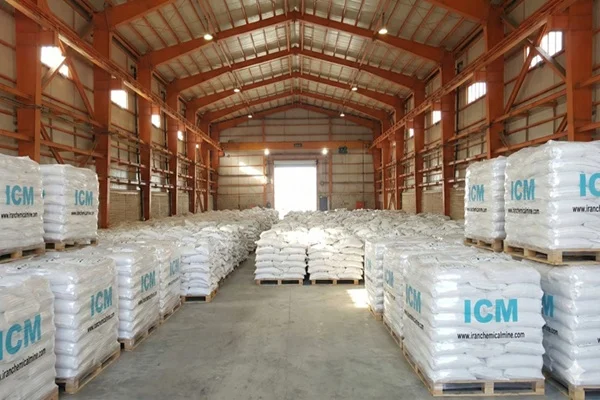
- Liquid PAC: Packed in bulk tanks or 200-liter drums.
- Powder PAC: Packed in 25-50 kg bags or in bulk for larger orders.
Handling and Safety
- Wear appropriate protective gear when handling PAC, including gloves and goggles.
- Avoid inhaling dust or vapors and store the chemical in dry, ventilated areas.
Global Market and Export Demand
As water treatment becomes increasingly critical worldwide, the demand for Poly Aluminum Chloride is on the rise, especially in developing regions such as Africa, the Middle East, and Southeast Asia. Its versatility and cost-effectiveness make it highly sought after by industries and municipalities looking for efficient solutions.
Key Importing Regions
- Asia: China, India, and Southeast Asia are major consumers due to rapid industrialization.
- Middle East: Countries like Saudi Arabia and UAE rely on PAC for water and wastewater treatment.
- Africa: With growing urban populations, the demand for PAC is increasing in Africa’s water treatment sector.
Why Source Poly Aluminum Chloride from IRANCHEMICALMINE?
At IRANCHEMICALMINE, we offer high-quality Poly Aluminum Chloride sourced from reliable manufacturers and backed by years of export experience. We ensure:
- Strict Quality Control: Each batch undergoes rigorous testing for compliance with international standards.
- Reliable Logistics: Fast and secure delivery to key international markets.
- Custom Packaging: Tailored packaging solutions to suit your needs, whether for large-scale industrial use or small-batch requirements.
Poly Aluminum Chloride is an essential chemical for water treatment and a wide range of industrial applications. Its superior coagulating properties, lower sludge production, and cost-effectiveness make it a preferred choice worldwide. As demand continues to rise, IRAN CHEMICAL MINE is your trusted partner for high-quality PAC, providing reliable supply and expert support for international buyers.
For bulk orders and export inquiries, contact us today to learn more about our Poly Aluminum Chloride offerings.